

If you’ve lived in Alabama for any length of time, you know how quickly the weather can change. A sunny afternoon can turn into a heavy downpour, sometimes right in the middle of your commute home. While rain is nothing unusual around here, driving on wet roads can create some serious safety risks.
One of the biggest concerns during heavy rainfall is hydroplaning. When water builds up between your tires and the road, your vehicle can lose traction, making it difficult to steer, brake, or maintain control.
Whether you’re navigating Birmingham traffic, traveling down I-65, or driving along a back road after a summer storm, knowing how to handle wet road conditions can help keep you and your passengers safe.
Here are some practical tips to help prevent hydroplaning and stay safe on Alabama roads.
What Is Hydroplaning?
Hydroplaning occurs when water builds up between your vehicle’s tires and the road surface. Instead of maintaining proper contact with the pavement, your tires begin to ride on top of the water.
When this happens, you can temporarily lose traction and have difficulty steering or braking.
Hydroplaning is more likely to occur when:
-
You’re driving too fast for the road conditions.
-
Your tires have worn-down tread.
-
There is standing water or heavy rainfall.
-
Your tires are not properly inflated.
Even a relatively small amount of standing water can create a dangerous situation, especially at higher speeds.
6 Tips to Help Prevent Hydroplaning
While you can’t control Alabama’s weather, you can take steps to reduce your chances of hydroplaning.
1. Slow Down When Roads Are Wet
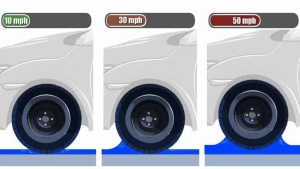
One of the best ways to prevent hydroplaning is to reduce your speed. The faster you drive, the less time your tires have to push water away from the road surface.
Don’t assume the posted speed limit is always a safe speed during a rainstorm. This is especially important on highways and interstates, where higher speeds can increase your risk of losing traction.
Give yourself extra time to reach your destination and adjust your speed based on rainfall, visibility, and road conditions.
2. Keep Your Tires Properly Maintained
Your tires play a major role in keeping your vehicle connected to the road. Tires with worn tread have a harder time moving water out from underneath them, increasing the risk of hydroplaning.
Make it a habit to:
-
Check your tire pressure regularly.
-
Inspect your tires for uneven or excessive tread wear.
-
Replace tires when the tread becomes too worn.
-
Follow your vehicle manufacturer’s recommended tire pressure.
A quick tire check can go a long way toward keeping you safe, especially before a long drive or during rainy seasons.
3. Avoid Puddles and Standing Water
Water can collect in low spots, along road shoulders, and in worn sections of pavement. Be especially cautious on roads you’re unfamiliar with, since you may not know where water tends to collect.
Alabama drivers should also be aware of flash flooding during periods of heavy rain. What looks like a shallow puddle may actually be much deeper than it appears.
Never attempt to drive through flooded roads. Turn around and find another route.
4. Turn Off Cruise Control
Cruise control can be helpful on long highway drives, but it isn’t ideal in wet weather. When driving on slick roads, you want to maintain full control of your vehicle and be able to adjust your speed quickly.
Turn off cruise control when roads are wet so you can respond more easily if your tires begin to lose traction.
5. Give Yourself More Following Distance
Wet roads make it harder to stop quickly. Leave additional space between your vehicle and the car in front of you so you have more time to react if traffic slows down suddenly.
This is especially important during heavy rain, when visibility can decrease and traffic may slow down unexpectedly.
Avoid tailgating, sudden lane changes, and aggressive driving.
6. Avoid Sudden Braking or Sharp Turns
Quick movements can make it harder to maintain control on wet pavement. Brake earlier than usual, accelerate gradually, and make turns smoothly.
The goal is to give your tires the best opportunity to maintain traction with the road.
What Should You Do If Your Car Starts Hydroplaning?
Even if you’re taking precautions, hydroplaning can still happen. Knowing how to respond can help you avoid making the situation worse.
If you feel your vehicle begin to hydroplane:
-
Stay calm. Avoid panicking or making sudden movements.
-
Ease off the accelerator. Allow your vehicle to slow down gradually.
-
Avoid slamming on the brakes. Sudden braking can cause you to lose even more control.
-
Keep your steering steady. Look where you want the vehicle to go and make gentle steering adjustments.
-
Wait for traction to return. Once your tires regain contact with the road, you should begin to regain control.
Remember, the most important thing is to avoid overcorrecting. Sudden braking, acceleration, or steering can make a skid worse.
Other Rainy Weather Driving Tips for Alabama Drivers
Hydroplaning isn’t the only concern when driving in the rain. Heavy thunderstorms, reduced visibility, and flash flooding can all make Alabama roads more dangerous.
Keep these additional safety tips in mind:
-
Turn on your headlights. Alabama law requires drivers to use their headlights when windshield wipers are in use. This also helps other drivers see you during heavy rain.
-
Check your windshield wipers. Replace worn blades so you can maintain a clear view of the road.
-
Keep your windshield clear. Use your defroster to prevent windows from fogging up.
-
Watch for flooded roads. Never attempt to drive through standing or moving floodwater. Water depth can be difficult to judge, and moving water can carry vehicles away.
-
Check road conditions before traveling. If severe weather is expected, consider delaying your trip. You can also check road closures and traffic conditions through ALGO Traffic.
-
Always wear your seatbelt. It’s one of the simplest and most important ways to protect yourself and your passengers.
If rain becomes so heavy that you can no longer see the road clearly, find a safe place away from traffic to pull over and wait for conditions to improve.
A Little Preparation Goes a Long Way
 Alabama weather can be unpredictable, but a little preparation can make a big difference. Keeping your tires in good condition, checking your windshield wipers, and adjusting your driving habits during heavy rain can help reduce your risk of an accident.
At Allison Insurance, we believe being a good insurance partner means helping you stay informed and prepared, not just being there when something goes wrong.
If you have questions about your auto insurance coverage or would like to review your current policy, our team is happy to help. Give us a call at 205-738-7444 or visit allisonagency.net to learn more.