

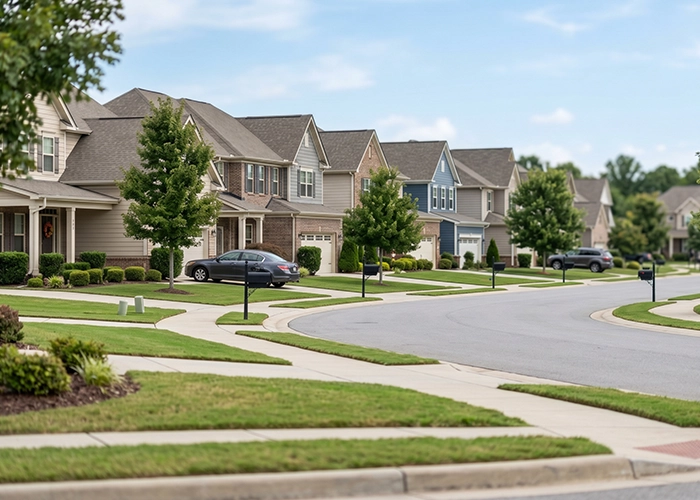
Alabama homeowners associations (HOAs) and condominium owners associations (COAs) premiums have increased dramatically in the past few years. Severe weather, higher prices for labor and construction materials, increased repair costs, claims history, and the rising cost of reinsurance all affect the price and availability of master-property coverage. These pressures are not limited to Alabama’s coast: tornadoes, hail, straight-line wind, heavy rain, and localized storms can create significant losses throughout the state.
The 2021 collapse of Champlain Towers South in Surfside, Florida also changed the conversation around condominium risk. The tragedy led Florida lawmakers to adopt enhanced requirements for certain older condominium buildings, including milestone structural inspections, structural-integrity reserve studies, and more rigorous reserve-funding expectations. The purpose was to identify structural deterioration earlier and ensure associations plan financially for major repairs rather than deferring them indefinitely.
While Florida’s laws do not govern Alabama associations, Surfside increased attention nationwide on the condition of aging condominium buildings, especially properties with deferred maintenance, older roofs, water intrusion, façade concerns, or inadequate reserves. Insurers increasingly want better information about a property’s roof age, maintenance history, inspections, capital-improvement plans, and prior losses. For associations, that can mean more underwriting questions, fewer carrier options, higher premiums, stricter terms, or larger deductibles—particularly where the building’s condition or financial planning is unclear.
For boards, the issue is not simply finding a lower premium. It is confirming that the association’s master insurance program protects the property, the board, association funds, and owners from a loss that could otherwise lead to a major special assessment.
A sound program starts with master property and general liability coverage, then addresses important gaps through directors & officers liability, crime coverage, cyber liability, and other property-specific protections. Coastal communities need an additional, more detailed review of wind, named-storm deductibles, and flood exposure.
The Deductible Risk Boards Can Miss
One of the most important—and frequently overlooked—renewal changes is the deductible structure. Boards may focus on the annual premium and not realize that the policy has shifted from a flat-dollar deductible to a percentage deductible for wind, hail, hurricane, or named-storm losses.
For example, a condominium association with $5,000,000 in insured property value and a 2% wind/hail deductible would be responsible for the first $100,000 of a covered wind or hail loss:
$5,000,000 x 2% = $100,000
That $100,000 is not a theoretical concern. It is an immediate out-of-pocket association obligation before the carrier pays the covered portion of the claim. Percentage wind and hail deductibles are commonly calculated from the insured property or dwelling limit rather than as a fixed dollar amount.
For Alabama condominium associations, the deductible is particularly important because, unless the declaration provides otherwise, insurance shortfalls—including deductibles and retentions—are generally treated as common expenses of the association. If reserves are inadequate, the board may need to use operating funds, borrow, defer other work, or levy a special assessment.
Core Coverage for HOAs and COAs
Every association’s governing documents, property design, amenities, and lender requirements differ. Still, these are the coverages Alabama boards should review with their agent and legal counsel.

Master Property Coverage
The master property policy is the foundation of an association insurance program. It generally addresses common elements and association-owned property. However, boards should never assume that “master policy” means every part of every unit is covered.
For condominiums, Alabama’s Uniform Condominium Act requires the association, to the extent reasonably available, to maintain property insurance on common elements against commonly insured direct physical-loss risks and liability insurance for common-element exposures. For certain multi-story condominium buildings with horizontal unit boundaries, the required property insurance must include units to the extent reasonably available, but it need not cover unit-owner improvements and betterments. The declaration can require additional insurance.
A practical example: A condo master policy may insure the original building components and common areas, while a unit owner’s flooring upgrade, cabinetry, appliances, personal property, loss-of-use expense, and personal liability may belong on that owner’s HO-6 policy. The exact dividing line comes from the declaration and the policy language—not assumptions.
Board members should request a clear written explanation of:
-
Whether the policy is bare walls, single entity, or all-in coverage.
-
What parts of the unit are included in the association’s responsibility.
-
How building limits were determined and when they were last updated.
-
Whether coverage is replacement cost or subject to actual-cash-value limitations.
-
Whether ordinance or law coverage is included and at what limit.
-
The wind, hail, water, and named-storm deductibles.
-
Who is responsible for deductible costs under the declaration and Alabama law.
Under the Alabama Uniform Condominium Act, unless the declaration says otherwise, insurance shortfalls—including deductibles or retentions—are generally a common expense of the association. That makes deductible funding and operating/reserve planning as important as the policy itself.
General Liability Coverage
General liability responds to covered bodily injury and property-damage claims involving association operations and common areas. A slip-and-fall on a wet sidewalk, a pool injury allegation, or property damage caused by the association’s maintenance operations can create a claim.
Alabama condominium law requires liability insurance, including medical-payments insurance, in an amount determined by the board but not below the amount required by the declaration.
The correct limit depends on the community’s size, assets, amenities, traffic, events, vendors, and contractual requirements. Associations with pools, fitness centers, playgrounds, rented clubhouses, private roads, security operations, or employees should take particular care to identify those exposures.
Directors & Officers Liability
D&O coverage is one of the most important protections for volunteer boards. This coverage protects the personal assets of volunteer board members. It is intended to address allegations arising from management and governance decisions—not bodily injury or a damaged roof.
Examples may include claims alleging that a board:
-
Failed to enforce covenants consistently.
-
Mishandled association finances.
-
Made an improper assessment decision.
-
Failed to maintain common property.
-
Wrongfully denied an architectural request.
-
Violated a duty under the governing documents.
D&O policy terms vary substantially. A board should verify who qualifies as an insured, whether volunteers and committee members are included, whether the association itself is covered, and whether the policy includes relevant coverage for employment practices or discrimination allegations.
Crime and Fidelity Coverage
Community associations often collect substantial assessments, maintain reserve accounts, and authorize electronic payments to vendors. Crime coverage—sometimes called fidelity coverage—helps protect the association against theft or dishonest acts involving association money or property.
Alabama’s HOA organizational framework permits governing documents to address fidelity bonds for people or entities with custody or control of association funds.
A board should not set the limit based only on the average monthly operating balance. Consider the maximum funds that may be accessible at one time, including reserve funds, special-assessment proceeds, and electronic transfer authority. Also ask specifically about coverage for fraudulent instruction and social-engineering scams, since traditional crime forms may not automatically cover every email-based payment fraud scenario.
Cyber Liability Coverage
HOAs and COAs increasingly rely on online portals, emailed invoices, electronic assessment payments, cloud-based records, and property-management software. That creates cyber exposure even for a small association.
Cyber coverage can help with eligible costs related to a data breach, ransomware, privacy event, notification obligations, forensic investigation, and certain cyber-related liability claims. It may also include protection for funds-transfer fraud, but that coverage must be reviewed carefully because limits, definitions, and verification requirements vary.
A basic board practice can make a material difference: require independent verification by phone using a known number before changing vendor bank-account information or sending a large wire transfer.
Special Note for Coastal Properties
Coastal Alabama associations face the same replacement-cost and liability pressures as inland communities, plus a heightened concern around windstorm, hurricane, named-storm deductibles, and flood.
The Alabama Insurance Underwriting Association (AIUA) exists to provide an insurance market for eligible property owners in Baldwin and Mobile counties when essential coverage is unavailable in the private market. AIUA also identifies wind-loss-mitigation and FORTIFIED construction features as potential premium-discount opportunities.
For a coastal condo or HOA, the annual insurance review should specifically address:
-
Whether wind and hail are included in the master policy or placed separately.
-
The hurricane or named-storm deductible, expressed as both a percentage and actual dollar amount.
-
Whether the association has cash reserves, a borrowing plan, or assessment authority to fund that deductible.
-
The building’s wind-mitigation features, roof age, FORTIFIED designation, and documentation.
-
Flood coverage for buildings, common areas, mechanical equipment, parking, and ground-level exposures.
-
The fact that wind and flood are different perils. A windstorm policy is not flood insurance, and flood damage—including storm surge or rising water—is typically handled separately.
Do not wait for a storm forecast to begin this review. Markets may restrict new business, increase deductibles, or impose underwriting requirements well before renewal.
What Boards Should Do Before Renewal
An association that starts early has more options. Ideally, begin the renewal process several months before expiration, especially for larger, older, coastal, or loss-affected properties.
-
Review the declaration and bylaws. Confirm what the association is obligated to insure, what belongs to unit owners, and how deductibles or uninsured losses are allocated.
-
Update the property valuation. A current replacement-cost estimate is essential. Insuring to tax value, market value, or an old appraisal can create an underinsurance problem.
-
Build a complete underwriting file. Include roof information, maintenance records, loss runs, photos, contracts, plumbing/electrical updates, fire-protection details, and mitigation improvements.
-
Calculate deductibles in dollars. A 5% wind deductible on a multi-million-dollar building can produce a six-figure association expense. The board should know how that amount would be funded before a loss occurs.
-
Examine loss-control priorities. Roof maintenance, tree maintenance, water-leak prevention, electrical upgrades, vendor requirements, and documented inspections can improve resilience and underwriting quality.
-
Coordinate master and unit-owner coverage. Communicate the master-policy boundaries to owners and encourage them to confirm that their HO-6 or homeowners policy fills their individual gaps.
-
Review D&O, crime, and cyber separately. Do not assume the property policy protects the board’s decisions, association funds, or digital operations.
Questions Alabama Boards Should Ask
Before approving a renewal, ask your insurance professional:
-
Is our building insured to a current replacement-cost figure?
-
What does our master policy cover inside individual units, if anything?
-
What exclusions or sublimits apply to roof damage, water damage, ordinance or law, equipment breakdown, and flood?
-
What are our wind, hail, hurricane, and named-storm deductibles in actual dollars?
-
Does our declaration make the deductible a common expense, a unit-owner obligation, or something else?
-
Are our liability, D&O, crime, cyber, and umbrella limits appropriate for our association?
-
Do we have enough coverage for reserve funds and electronic-funds-transfer fraud?
-
What mitigation improvements could improve eligibility, reduce losses, or support more competitive terms?
-
What information do unit owners need to give their own insurance agent?
Need an HOA or COA Insurance Review?
Rising premiums are frustrating, but the answer is not simply buying the lowest-priced policy. Alabama association boards need to understand what the master policy insures, what remains the owners’ responsibility, and whether the association can absorb its deductibles and uninsured exposures.
Contact our agency by email or phone to review your HOA or condominium association insurance program, renewal terms, deductibles, property values, and coverage gaps. We can help your board prepare for renewal with a clearer picture of the risks, options, and questions that matter.
This article is for general educational purposes and is not legal advice or a coverage guarantee. Association obligations depend on Alabama law, the community’s declaration and bylaws, and the actual policy forms and endorsements in force
205-738-7444About the Author:
 Scott Nesbitt is the Owner of Allison Insurance where he and his team advise homeowners across Alabama on home, auto, and umbrella insurance. Scott’s focus is on supporting lenders, real estate professionals, and financial advisors to provide their clients an exceptional insurance experience. He holds both the Certified Insurance Counselor (CIC) and Certified Risk Manager (CRM) designations and has helped insure thousands of homes throughout the state.
Allison Insurance has over 2,500 clients across Alabama, Tennessee and Georgia. The Allison Insurance team has over 125 years cumulative experience in advising individuals and businesses in their insurance decisions!


